How Personalisation Is Transforming the Visitor Experience in Cultural Spaces
By Aimee · · 8 min read
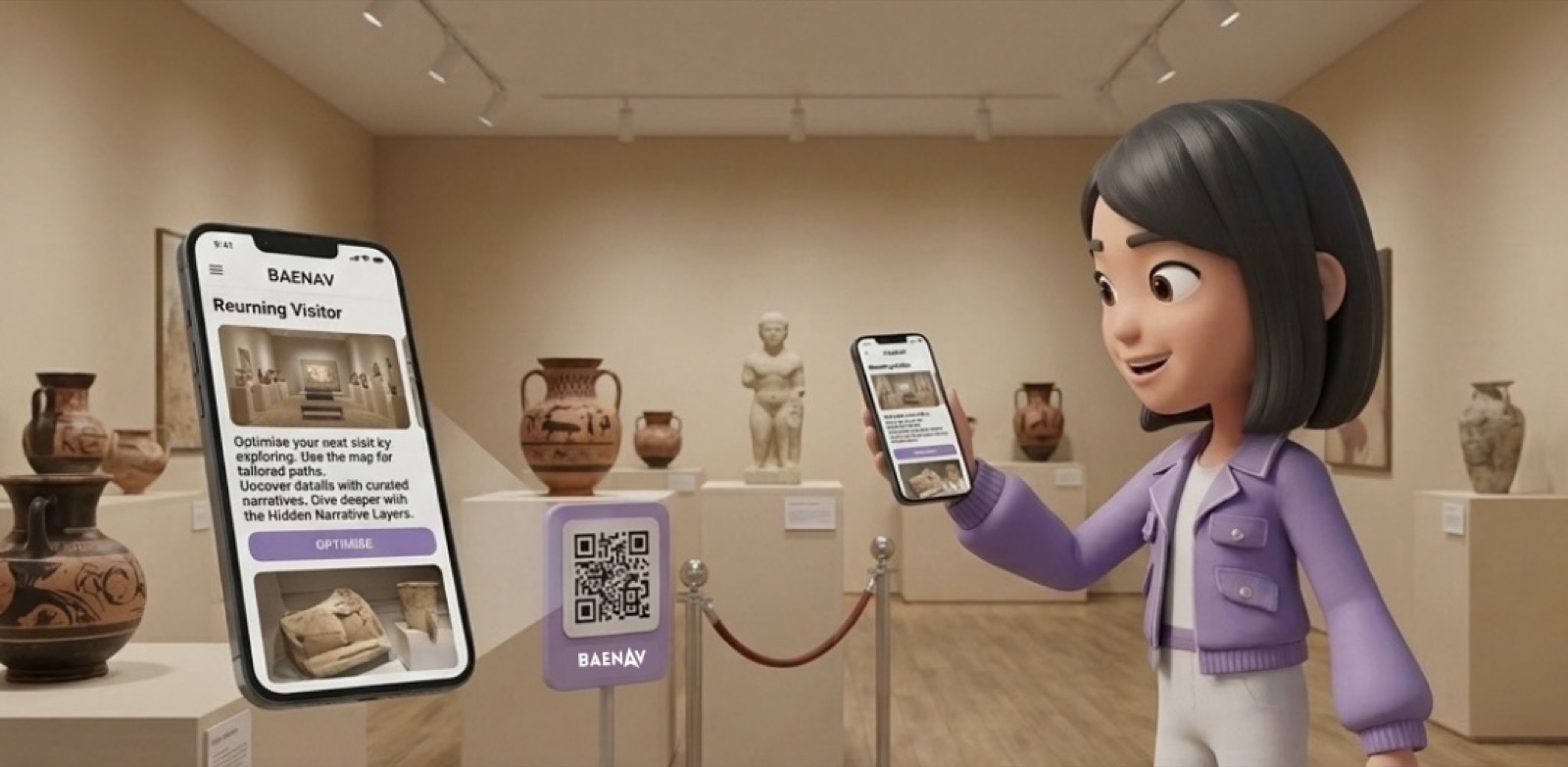
Imagine arriving at a museum, historic attraction or city centre and being given an experience designed around you.
Instead of receiving the same map, the same leaflet and the same list of recommendations as every other visitor, you are guided towards the places, information and experiences that are most relevant to your interests, available time and needs.
A family visiting with young children might receive a completely different journey from an art enthusiast spending an afternoon exploring exhibitions. A first-time tourist might need directions and recommendations, while a returning visitor may be looking for something they have not discovered before.
The physical environment has traditionally struggled to offer this level of personalisation. Online, we are already accustomed to recommendations tailored to our interests. Streaming platforms suggest what to watch. Retail websites recommend products. Travel platforms suggest places to visit based on previous searches and preferences. But when we step into a physical space, the experience often becomes much more generalised.
For museums, galleries, shopping centres, city centres and tourist attractions, this creates an opportunity: how can technology bring personalised experiences into the physical world?
This is the opportunity BAENAV is exploring through its approach to visitor intelligence, navigation and personalised journeys.
What Are Personalised Experiences?
A personalised experience is an experience that adapts to an individual's interests, needs, preferences or circumstances rather than delivering exactly the same journey to everyone. In a physical cultural space, personalisation could mean helping a visitor discover particular exhibitions, attractions, shops, cafés, events or points of interest based on what matters to them.
It could also take into account practical factors such as:
How much time the visitor has; whether they are travelling alone, with friends or with family; what they have already seen; their personal interests or reasons for visiting; accessibility or mobility requirements; what their goals are for the experience; what they want to discover next; what emotions they are feeling in relation to the exhibit
Research into museum personalisation has explored approaches combining visitor choice, contextual awareness and systems that adapt to visitor behaviour. This suggests that personalisation in cultural spaces does not have to mean simply asking visitors to select their preferences once; it can involve an experience that responds as the visit develops. That distinction is important.
Personalisation is not simply providing more information. It is providing more relevant information at the right time.
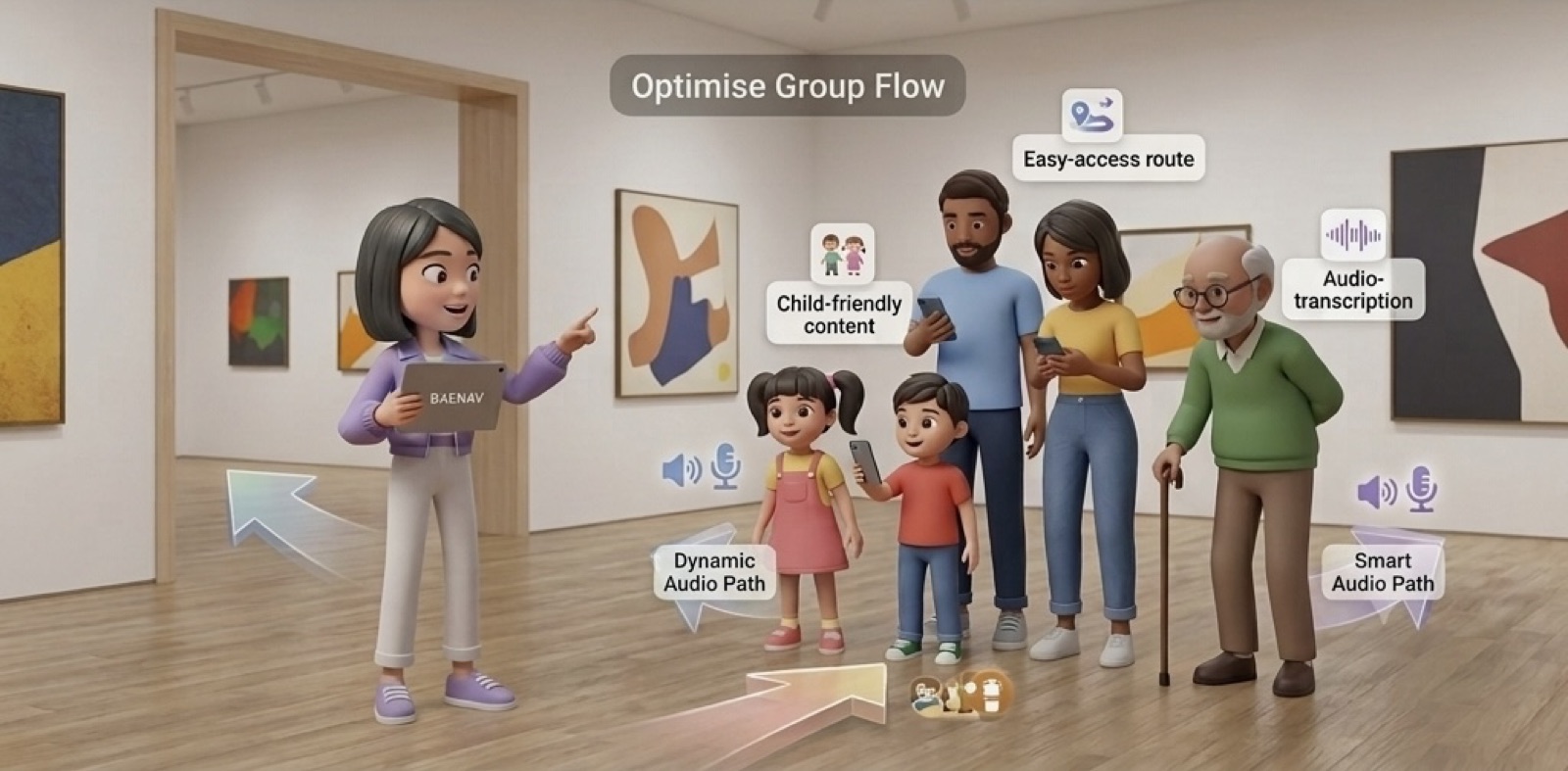
Why Every Visitor Needs a Different Journey
No two visitors necessarily experience a cultural space in the same way. Consider two people entering the same museum. One may have travelled several hours to see a specific collection. They may only have 90 minutes before returning to their hotel. Another visitor could be a local resident with a membership who has visited several times and wants to explore something new. Both require completely different information.
A family may want to find interactive exhibits, toilets and a café without spending time navigating every gallery. A student may be interested in specific historical themes. Another visitor may simply want to see the highlights before moving on to another attraction. Yet traditionally, many of these visitors begin with broadly the same information. They might receive a printed map, general visitor guide or standard recommendations. The information is useful, but it does not necessarily reflect the individual visitor's priorities.
This is one of the challenges facing modern visitor experience management. The venue knows a great deal about its own collections, attractions and facilities. The visitor, however, has to work out which parts are most relevant to them. Personalisation changes that relationship. Instead of asking the visitor to navigate a large amount of information themselves, technology can help bring the most relevant possibilities to the surface.
What Does a Personalised Experience Look Like at a Venue?
Personalisation in a physical space does not have to mean creating a completely different venue for every visitor. Instead, it can mean creating different routes through the same venue. For example, imagine a visitor tells an BAENAV powered assistant:
"I have two hours, I'm interested in modern art and I'd like somewhere quiet for coffee."
Rather than presenting the visitor with the entire museum map, a personalised system could identify relevant exhibitions, create a practical route and suggest a café that fits the visitor's requirements.
The experience could then evolve. If the visitor spends longer than expected in one exhibition, the system could adapt its recommendations. If a particular area becomes crowded, alternative routes could be suggested. If the visitor asks about another exhibition, the journey could change accordingly.
This combines several elements of digital visitor experience technology:
Personalisation —> understanding what the visitor is interested in.
Context —> understanding where the visitor is and what is happening around them.
Navigation —> helping them physically reach the relevant destination.
Discovery —> introducing them to experiences they may otherwise miss.
Adaptability —> allowing the journey to change as the visit develops.
Research into new technologies and cultural tourism is increasingly examining this combination of AI conversational guidance, recommendation systems, context awareness and visitor behaviour. Recent research also highlights the importance of privacy, explainability and giving visitors control over how personalisation is used.
From Museums to Malls and City Centres
Although museums are an obvious application for personalised visitor experiences, the opportunity extends much further. The same principle can be applied to many different cultural and visitor spaces across the UK.
Museums and Galleries
A museum could use personalisation to recommend exhibitions, objects and stories based on visitor interests, available time or previous interactions. Research has already explored personalised mobile museum guides and the use of visitor personas to adapt experiences to different visitor needs.
Shopping Centres
A shopping centre could help visitors discover stores, restaurants, events and facilities based on their interests. Instead of simply asking "Where is the nearest shop?", visitors could discover relevant experiences throughout the centre and be directed with the best route for their shopping goals.
City Centres
For destinations and city centres, personalisation could connect attractions, restaurants, cultural venues, retail destinations and public spaces into a more connected visitor journey. A visitor interested in architecture could receive a different route from someone looking for food, shopping or family activities.
Historic Attractions and Tourist Destinations
Historic houses, castles, heritage sites and other tourist attractions can contain large amounts of information and many different ways to explore them. Personalisation could help visitors focus on the stories, locations and experiences that are most relevant to them.
Events and Other Visitor Spaces
Festivals, stadiums, cultural events and large public venues can also benefit from personalised navigation and recommendations, particularly when visitors need to make decisions quickly in unfamiliar environments.
The underlying principle remains the same: the space stays the same, but the journey becomes more relevant to the individual.
Where BAENAV Fits In
This is the opportunity BAENAV is exploring.
BAENAV is developing digital intelligence for physical spaces, combining navigation, conversational AI, contextual awareness and personalised recommendations. The technology is designed to help visitors explore places such as museums, malls, airports and events while helping venues understand and improve the visitor experience.
By participating in a trial with BAENAV your physical venue can help test the technology that implements these personalisations and provide valuable insights to help improve overall visitor experiences.
At the centre of this is a simple idea: What if physical spaces could understand what a visitor needs in the moment?
Rather than forcing visitors to search through maps, websites, signs or generic information, BAENAV is testing ways for visitors to interact with a digital assistant and receive relevant guidance.
A visitor could ask where something is and they could ask what they should see with only an hour available. They could ask for quieter areas, discover a café, shop or event that matches their interests. Or they could simply ask a question in natural language and receive guidance based on their location and context.
BAENAV's current visitor proposition includes personalised recommendations, navigation recommendations, contextual suggestions and conversational assistance.
From Personalisation to Experience Intelligence
Personalised experiences are only one part of the opportunity. The longer-term goal is to understand what happens throughout the visitor journey and use those insights to continually improve the experience. This is where Experience Intelligence becomes important. A venue can already measure many traditional metrics: ticket sales, visitor numbers, revenue and attendance. (Read more about Visitor Metrics HERE).
But there is another layer of information that can be valuable: what visitors actually do within the physical space, what they want, need, and feel.
Understanding these interactions can provide a richer picture of the visitor journey. Many organisations currently focus solely on footfall and spend, which often gives you an overview of what's happening. With Experience Intelligence, you can find out why.
BAENAV is exploring how technology can help capture these types of visitor insights and turn them into actionable intelligence for venues. The objective is not simply to collect more data. It is to use visitor insights to improve the experience.
For example, if visitors repeatedly ask for directions to a particular facility, that could highlight an opportunity to improve navigation or signage. If certain exhibitions consistently generate interest, recommendations could be developed around them. If visitors frequently leave one area without discovering another, the venue could investigate whether the journey or wayfinding could be improved.
BAENAV's research into data-driven space optimisation similarly focuses on using visitor flow information to understand physical spaces, reduce friction and support better decisions around layouts, navigation and visitor engagement.
Personalisation Should Enhance the Experience, Not Replace It
For cultural organisations, technology should not become the experience itself.
The purpose of personalisation is to help visitors engage more deeply with the physical environment. More personalised experiences encourage deeper connection with both the physical space as well as the human connection with staff. This can include a deeper dive into the topics with tours and talks, discovering stories that resonate, and making the visitors feel that it was made for them.
The technology simply provides another layer that can help visitors navigate, discover and understand the space in a way that is more relevant to them. This is particularly important in cultural environments, where visitors may have very different expectations. Personalisation should therefore give visitors more choice, not less.
A good personalised experience should allow people to explore at their own pace, change direction and decide what they want to discover. Research into personalised cultural heritage experiences has similarly identified the value of combining customization, contextual awareness and adaptive technology while allowing visitors to influence their own experience.
The Future of the UK Visitor Experience
The UK has an enormous variety of cultural and visitor spaces, from world-renowned museums and galleries to regional attractions, shopping destinations, historic sites and city centres. Each space has its own identity, audience and challenges. That means personalisation cannot be a one-size-fits-all solution.
Instead, the future may involve technology that learns how visitors interact with different environments and helps venues continually refine the experience they provide.
This is the direction BAENAV is testing. By combining navigation, personalised recommendations, contextual information within AI conversations and experience intelligence, BAENAV is exploring how physical spaces can become more responsive to the people moving through them.
The ambition is simple: move from a model where every visitor is given the same journey to one where visitors can discover a journey that works for them. And for venues, the opportunity goes beyond personalisation. Better understanding of visitor behaviour could help cultural spaces make more informed decisions about navigation, engagement, programming, facilities and the wider visitor experience.
Building the Next Generation of Personalised Experiences
Personalisation has already transformed the digital world. The next opportunity is bringing some of that intelligence into the physical spaces where people actually spend their time. For museums, galleries, shopping centres, city centres and tourist attractions, that means thinking beyond the traditional map, leaflet or fixed visitor journey. It means asking a different question:
Instead of asking every visitor to follow the same path, what if we could help each visitor find their own?
BAENAV is testing this idea through its technology and developing a new understanding of Experience Intelligence to better understand how people navigate and interact with physical spaces.
The journey is still being built, tested and refined.
But the opportunity is clear that personalised experiences can help connect people with the places, stories and experiences that matter most to them.
To learn more about BAENAV's approach to intelligent navigation and personalised visitor experiences, visit BAENAV. Find out more about Experience Intelligence in next week's article!
Frequently Asked Questions
What is a personalised visitor experience?
A personalised visitor experience adapts information, recommendations, navigation or activities around an individual's interests, needs, circumstances or available time. In a museum or tourist attraction, this could mean receiving recommendations based on what a visitor wants to see rather than receiving the same suggested route as everyone else.
Why are personalised experiences important?
Visitors have different interests, knowledge levels, accessibility requirements, group sizes and amounts of time available. Personalisation can help make cultural spaces and facilities more relevant to different audiences while supporting deeper engagement with the physical space.
How can AI personalise a visit?
BAENAV uses AI not as the source of information, but as a tool to feed the most accurate information relevant to the physical space, so that visitors can access the details needed to personalise their experience. AI can interpret natural-language questions, combine visitor preferences with contextual information and provide recommendations or guidance.
Can personalisation work outside museums?
Yes. The same principles can apply to shopping centres, city centres, historic attractions, galleries, airports, events and other tourist destinations. The technology can help people discover relevant destinations, navigate physical spaces and make decisions based on their interests and circumstances.
What is Experience Intelligence?
Current knowledge of Experience Intelligence focuses on the digital space and BAENAV is exploring how to bring those insights and measurements to physical spaces. Therefore, Experience Intelligence in this context refers to using information about how visitors interact with a physical environment to understand and improve the overall experience. This can include insights around visitor movement, questions, interests, navigation, engagement and discovery.
How does BAENAV personalise the visitor experience?
BAENAV is testing technology that combines conversational AI, tailored route navigation, contextual awareness and personalised recommendations. Its visitor platform is designed to provide guidance based on factors such as visitor interests, locations and accessibility needs.
Does personalisation mean every visitor gets a completely different experience?
Not necessarily. Personalisation can work by adapting parts of a visitor journey while keeping the core cultural experience intact. Different visitors can be guided towards different exhibitions, attractions, facilities or routes according to their needs.
How can personalised experiences benefit cultural spaces?
Personalisation can help visitors discover more relevant content, navigate spaces more easily and engage more deeply with attractions. For venues, understanding visitor interactions can also provide insights that support decisions around wayfinding, space optimisation, engagement and visitor services.
Is BAENAV currently available to cultural venues?
BAENAV is currently looking to trial technology at venues as part of their pilot phase. BAENAV is developing and testing its technology for physical spaces, with applications including museums, malls, airports, city centres and events. If you are interesting participating or learning more about the opportunity, you can contact BAENAV directly by setting up a call.
How can a cultural venue explore working with BAENAV?
Cultural organisations interested in exploring personalised visitor experiences and Experience Intelligence can learn more through the BAENAV website and register interest in the platform.