The Missing Metric: What Are Your Visitors Really Telling You?
By Aimee · · 8 min read
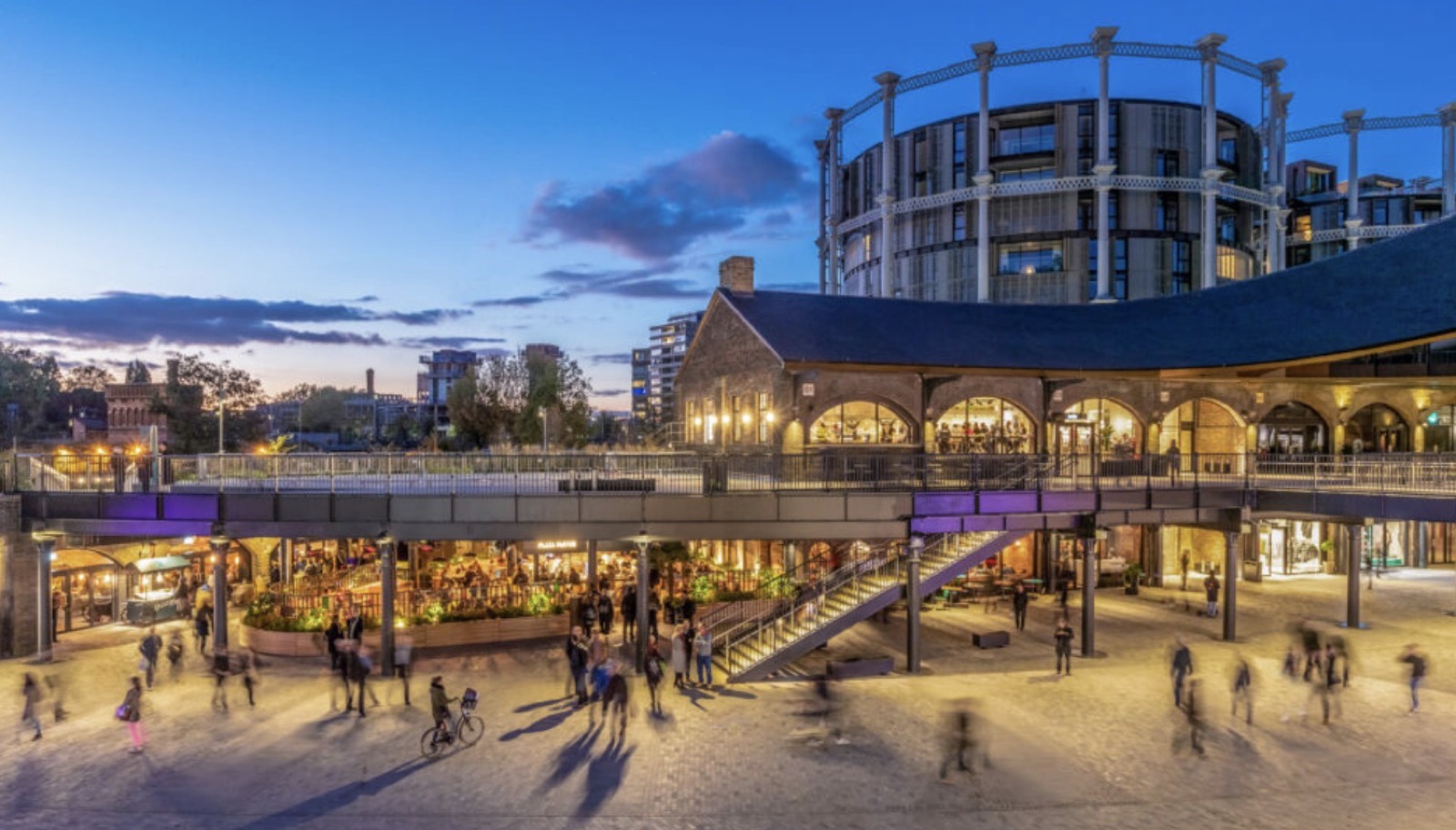
Beyond footfall and spend: why the next generation of visitor data needs to understand the people behind the numbers
In the age of data, museums, cultural spaces, city centres, and visitor destinations have more information than ever before. Organisations can measure how many people walk through their doors, how many tickets are sold, how much visitors spend and, in some cases, how long people stay.
These metrics are important. They help organisations understand performance, identify trends and make informed decisions. But one question is becoming increasingly important: What might we be missing?
A visitor is more than a number in a footfall report. They are a person with interests, preferences, expectations, questions and different reasons for visiting. They make choices throughout their journey. They decide what to see, where to go, what to explore, what to skip and what to spend their time and money on.
Those decisions contain valuable information. So, what happens when we start looking beyond the traditional metrics and ask what visitors are actually telling us through their behaviour? This is the thinking behind what BAENAV calls the “Missing Metric.”
The visitors are telling you something. Are you listening?
Understanding your visitors
For decades, visitor numbers have been one of the most straightforward ways to measure the success of a physical venue.
A museum can report that 250,000 people visited during the year. A city centre can measure millions of visitors through footfall data. A cultural attraction can report ticket sales and admission revenue. A gallery can measure attendance at an exhibition.
Commercial performance can provide another layer. Organisations may look at café sales, retail revenue, memberships, donations, event income or average visitor spend. All of these figures answer important questions.
How many people came? How much did they spend? How much revenue did the venue generate?
But they don't necessarily answer the questions that could help organisations understand the visitor experience in greater depth.
Was the visitor aware of the new exhibits? Why did visitors choose one exhibition over another? What were they interested in? What were they looking for? Which areas did they discover? How many did they miss without even realising? What questions did they have? What information did they need? Were their accessibility needs met? Did they know about the café, shop, events or other experiences available to them?
Most importantly, what can a venue learn from the visitors? This is where the gap begins to appear.
The problem with reducing a visitor to a number
Imagine a museum welcomes 100,000 visitors in a year. That is an impressive and useful statistic. However, every one of those 100,000 people experienced the museum differently.
One visitor may have come specifically to see a particular artist. Another may have been visiting for the first time. A family may have been looking for an interactive experience for their children. A tourist may have wanted to see the museum's most famous exhibition but only had an hour available. Another visitor may have arrived with no particular plan at all and simply wanted to explore.
The number 100,000 doesn't capture any of this. It doesn't tell us what people valued. It doesn't tell us what they wanted to discover. It doesn't tell us what they found interesting or where they experienced difficulty. This doesn't mean visitor numbers are no longer useful. They absolutely are. The opportunity is to add another layer of understanding to them.
Instead of simply asking “How many people visited?”, we can start asking “Who were those visitors, what did they want, and what did they do?”
That shift from counting visitors to understanding visitors could fundamentally change how cultural organisations and visitor destinations approach decision-making. BAENAV is developing new technology on Experience Intelligence that can help fill these missing metrics and ultimately answer the very questions that could benefit both the visitors and venues.

What is the “Missing Metric”?
The “Missing Metric” isn't necessarily one specific number that every venue should add to its dashboard. It represents something broader: the visitor insights that sit behind traditional measures such as footfall, admissions and spend. Visitor insights can help reveal patterns in behaviour, preferences and needs that aren't immediately visible in a standard performance report.
For example, imagine knowing not only that thousands of people visited an exhibition, but also understanding which other experiences those visitors showed interest in, what information they searched for, which areas they were drawn towards and how their interests differed between visitor groups.
Suddenly, the data becomes more meaningful. A visitor searching for a particular exhibit is telling you something about their interests. A visitor repeatedly looking for a particular facility may be highlighting a need. A visitor who discovers an additional exhibition, event or retail experience through a recommendation is demonstrating an opportunity for deeper engagement. A group of visitors consistently overlooking a particular area may indicate an opportunity to improve discovery or navigation.
These are not simply numbers. They are signals, and those very signals can help venues understand what their visitors are actually experiencing. Now imagine a personalized dashboard for your venue that outlines these needs and statistics that you could use to enhance your visitor experiences, improve operations and increase revenue.
Beyond footfall: understanding visitor behaviour
Footfall remains an important metric for physical spaces. It can help organisations understand demand, compare periods and evaluate the impact of events or exhibitions. But footfall doesn't always tell the whole story.
Two venues could have exactly the same number of visitors and deliver completely different experiences. One venue might have visitors who discover multiple exhibitions, explore different areas, engage with recommendations and visit its café or shop. Another might have the same number of visitors, but most may only visit one area before leaving.
From a purely numerical perspective, the two venues have identical footfall. From a visitor experience perspective, they could be very different. This is why understanding visitor behaviour matters. It provides the context that can sit alongside existing operational and commercial data. Rather than replacing footfall, visitor insights can help organisations understand what their footfall actually represents.
Demographics are only the beginning
Many organisations already collect demographic information about their audiences, and maybe yours is one of them! Age, location, visitor type and other audience characteristics can be extremely useful for understanding who a venue attracts. But demographics alone don't necessarily tell us what people want.
Two people of the same age and from the same city can have completely different interests. A family visiting a museum, for example, may prioritise interactive experiences and facilities, while another visitor of a similar demographic may be primarily interested in a particular collection. This is why the next layer of audience understanding needs to move beyond who people are and towards what they want and do.
Combining demographic understanding with behavioural and preference-based visitor insights could give marketing and visitor experience teams a much richer picture of their audiences.
Instead of simply knowing that a particular demographic visits frequently, organisations can explore what that audience values, which experiences attract their attention, and what might encourage them to engage more deeply.
Why this matters for marketing teams
On one hand, these insights are essential for making operational improvements, but taking it one step further, for marketing teams, understanding visitor preferences can be particularly powerful.
Marketing decisions are often based on previous attendance, broad audience segments, campaign performance and demographic information. But imagine having a deeper understanding of the experiences visitors are actively interested in.
Did the visitor see everything they wanted to? What was their time constraint? What exhibitions are different audiences searching for? Which experiences appeal to families? What do first-time visitors appear to need? What accessibility needs are missing? What locations or experiences are visitors repeatedly trying to find? What questions are people asking?
These kinds of visitor insights could help marketing teams better understand the needs and values of their audiences. It can also help organisations think about personalisation differently.
Instead of communicating with visitors as a single audience, venues can begin considering the different interests and motivations within that audience. The result could be more relevant communication and a stronger connection between what a venue offers and what its visitors actually value.
Creating more personalised visitor experiences
The digital world has already trained consumers to expect personalised experiences. Streaming platforms recommend content based on interests. Online retailers recommend products. Travel platforms suggest destinations. Search engines attempt to anticipate what people are looking for.
Physical spaces have traditionally been different. A visitor often enters a museum, gallery, cultural attraction or city centre and receives largely the same information as everyone else. But visitors are not all looking for the same thing…
BAENAV is exploring how technology can help bring greater personalisation into physical visitor environments by combining navigation, discovery and recommendations with a deeper understanding of visitor interests and behaviour.
This creates an interesting feedback loop. A visitor receives a more relevant experience. Their interactions can provide useful insights. Those insights can help the venue better understand its audiences. And that very understanding can inform future improvements to the visitor experience.
Better experiences can create better insights, and better insights can help create better experiences.
Transforming data into intelligent decisions
There is an important distinction between collecting data and knowing what to do with it. Most organisations don't necessarily need another spreadsheet filled with statistics. They need information that helps answer real questions. What is working well, and what can be improved?
The value of visitor insights is their potential to provide additional context for answering them. For leadership teams, that could mean making decisions with a fuller understanding of visitor behaviour.
For visitor experience teams, it could mean identifying friction and opportunities for improvement.
For marketing teams, it could mean understanding audiences through their interests and behaviours rather than demographics alone.
For commercial teams, it could mean identifying opportunities to connect visitors with relevant retail, food and beverage, events, memberships or other experiences.
The data becomes useful because it helps explain what is happening and where there may be an opportunity to act.

What could a pilot with BAENAV reveal?
This is where the BAENAV pilot phase becomes particularly interesting.
Introducing new technology shouldn't simply be about adding another platform to an organisation's technology stack. It should be about asking better questions.
A pilot gives museums, city centres and cultural spaces the opportunity to explore what additional visitor intelligence could reveal about their audiences and their spaces.
Every venue has its own challenges. A large national museum will have different visitor journeys from a city-centre cultural district. A gallery will have different priorities from a visitor attraction. A historic site will have different navigation and discovery challenges from a modern cultural complex. Rather than assuming that the same metrics will be valuable everywhere, a pilot can help identify what matters most for each environment.
The aim is to explore the information that existing systems may not be capturing and understand how that information could complement the data venues already use. That might include understanding visitor preferences, identifying frequently requested information, recognising areas of interest, exploring different demographic behaviours, understanding discovery patterns and identifying opportunities for more personalised engagement.
Most importantly, it allows venues to test the theory in a real environment.
Connecting visitor experience with financial sustainability
There is also a commercial dimension to the Missing Metric, which is largely explored on our blog exploring Secondary Spend.
Many cultural spaces are under pressure to generate more income while protecting the quality of the visitor experience. Increasing admission prices or reducing staffing can have obvious implications for accessibility and experience. The alternative approach is to understand how visitors could be encouraged to engage more deeply with the experiences already available.
A visitor who discovers an exhibition they didn't know existed may spend more time at the venue. A visitor who receives a relevant recommendation may discover an event. Someone who finds the café at the right moment may choose to stop for refreshments. Another visitor may discover the retail offer or become interested in membership.
These interactions don't have to feel like sales opportunities. When they are relevant to the visitor, they can simply facilitate a more accessible and better experience.
You can read more about the potential financial benefits here: How Museums Can Increase Revenue Without Raising Ticket Prices
The visitors are telling you something. Are you listening?
BAENAV believes that the future of visitor intelligence needs to go beyond simply measuring how many people arrive and how much they spend. The next opportunity is to understand the people behind those numbers.
By combining technology, navigation, discovery, personalisation and detailed visitor insights, BAENAV aims to help museums, city centres and cultural spaces better understand their visitors and use that knowledge to improve engagement and decision-making.
The “Missing Metric” isn't necessarily another number to add to a dashboard. It is the context behind the numbers.And once you begin to understand that context, you can answer the questions that help drive real change.
Who are our visitors? What matters to them? What are they trying to find? What are they interested in? What are they missing? What could make their experience better?
And ultimately: What are our visitors telling us, and what could we do if we listened?
Interested in discovering your missing metrics?
BAENAV is looking to work with museums, galleries, city centres and cultural spaces interested in exploring the potential of richer visitor intelligence.
Participating in a pilot provides an opportunity to test BAENAV technology within a real visitor environment and explore what additional insights could be uncovered about your audiences, their interests and their experiences.
If your organisation is ready to move beyond footfall and spend and discover a deeper layer of visitor behaviour, get in touch with BAENAV to explore the pilot.
Frequently Asked Questions
What are visitor insights?
Visitor insights are information and patterns that help organisations understand their visitors beyond basic attendance figures. They can include visitor preferences, interests, questions, behaviours, discovery patterns, needs and interactions with different parts of a venue. Currently, for destinations, heritage and cultural sites, these insights can provide additional context around traditional metrics such as footfall, admissions and spend.
Why are visitor insights important for museums?
Visitor insights can help museums better understand how different audiences experience their spaces. Rather than knowing only how many people visited, museums can explore what visitors are interested in, which exhibits or locations attract attention, what information visitors are seeking and where opportunities may exist to improve discovery and engagement.
What is the “Missing Metric”?
The “Missing Metric” is BAENAV's way of describing the layer of visitor intelligence that can sit behind traditional performance measurements. Footfall, admissions and revenue tell venues what happened. The Missing Metrics focus on understanding the behaviours, preferences, interests and needs behind those numbers.
What visitor data do venues typically use?
Many venues already use metrics such as visitor numbers, footfall, ticket sales, admissions, revenue, average spend, memberships, event attendance and survey feedback. These metrics remain valuable, but they may not provide a complete picture of what visitors are interested in or how they move through and experience a physical space.
How can visitor insights improve the visitor experience?
Visitor insights can help venues identify what people are looking for, what interests them and where they may experience difficulties. This information can potentially inform navigation, signage, recommendations, exhibition planning, visitor services and other aspects of the visitor journey.
Can visitor insights help marketing teams?
Yes. Visitor insights can provide marketing teams with a deeper understanding of audience interests, preferences and behaviours. This can complement demographic information and help teams develop more relevant communications, audience segments and engagement strategies.
Can visitor insights help increase secondary spend?
Potentially. Understanding what visitors are interested in and what experiences they discover can help venues identify opportunities to connect visitors with relevant cafés, retail, events, exhibitions, memberships and other experiences. The objective is not simply to encourage spending, but to understand how secondary experiences can become a relevant and valuable part of the visitor journey.
Why should a museum or cultural space participate in a BAENAV pilot?
A pilot provides an opportunity to explore how BAENAV technology could work within a real visitor environment before making broader decisions about adoption. It can help venues investigate what additional visitor insights could be generated, how those insights complement existing data and whether they can support better visitor experience, engagement and strategic decision-making.
Is BAENAV only for museums?
No. While museums and cultural institutions are an important potential application, the underlying concept can apply to many physical environments where understanding visitor behaviour matters. This includes galleries, city centres, retail spaces, airports, cultural districts, attractions, and other visitor-focused spaces.
What is the ultimate goal of BAENAV?
BAENAV aims to help physical spaces better understand and engage their visitors. By going beyond traditional metrics such as footfall and spend, BAENAV is exploring how detailed visitor insights can help organisations create more personalised experiences, understand their audiences and make better-informed decisions.